

Thinking about a career where you're behind the wheel, making deliveries, and seeing the country? It's a powerful image, but it also comes with responsibility – especially when it comes to our environment.
Adopting eco-friendly practices isn't just a feel-good initiative; it's about building a more sustainable and efficient future for commercial driving. For you, the aspiring or current driver, this means potentially lower operating costs, a better company image, and a sense of pride knowing you're contributing to a healthier planet. It's a win-win.
Here's a simple habit to start with: meticulously plan your routes. Efficient routing minimizes unnecessary mileage, saving fuel and reducing emissions. Small changes like this add up to significant positive impact.
Why Eco-Friendly Fleets Matter
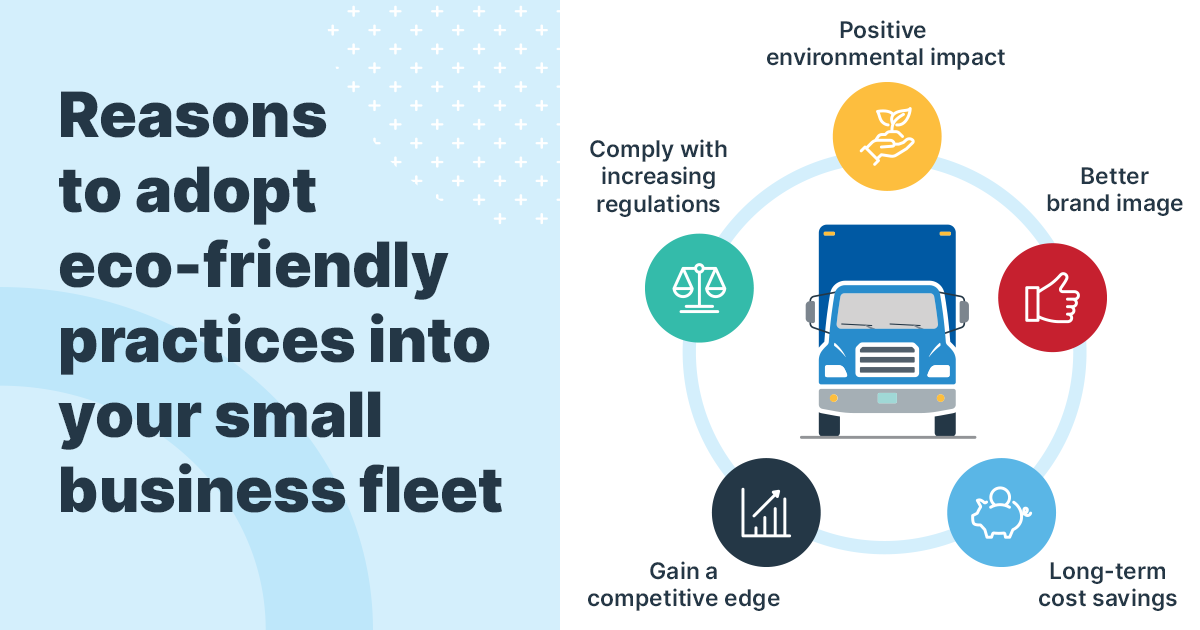
The transportation industry has a significant impact on the environment. Commercial fleets, in particular, consume substantial amounts of fuel and contribute to air pollution. Embracing eco-friendly practices isn't just good PR; it's a vital step towards reducing our carbon footprint and preserving resources for future generations. Plus, more and more companies are realizing the long-term cost savings associated with sustainable operations. Fleet safety practices are also improved when drivers are conscious of their environmental impact, leading to smoother and more controlled driving.
Beyond the environmental benefits, there's a growing demand for eco-conscious businesses. Customers and investors are increasingly prioritizing companies that demonstrate a commitment to sustainability. By adopting greener practices, commercial fleets can enhance their reputation, attract new clients, and gain a competitive edge in the market.
What are the benefits of using electric vehicles in a commercial fleet?
Electric vehicles (EVs) offer a range of benefits for commercial fleets, primarily centered around reduced emissions and lower operating costs. EVs produce zero tailpipe emissions, contributing to cleaner air in urban areas and reducing greenhouse gas emissions. While the initial investment in EVs may be higher, they typically have lower fuel costs (electricity vs. diesel or gasoline) and reduced maintenance requirements (fewer moving parts). The cost of charging is often far cheaper than refueling with diesel. Furthermore, government incentives and tax credits can help offset the upfront cost of EV adoption, making them an increasingly attractive option for commercial fleets looking to improve their sustainability profile.
Practical Steps for Greener Fleets
So, how can commercial fleets become more environmentally friendly? It's about implementing a range of strategies across various aspects of operations. Here are some key areas to focus on: Fuel Efficiency: Optimizing fuel consumption is a primary focus. This involves several techniques, including: Regular Vehicle Maintenance: Properly maintained vehicles run more efficiently. This includes regular oil changes, tire pressure checks, and engine tune-ups.
Driver Training: Training drivers on fuel-efficient driving techniques, such as smooth acceleration and braking, can significantly reduce fuel consumption.
Aerodynamic Improvements: Using aerodynamic devices on trucks, like side skirts and gap fairings, can reduce drag and improve fuel economy.
Idling Reduction: Implementing policies and technologies to minimize idling time. Idling consumes fuel and emits pollutants without any productive work. Alternative Fuels and Vehicles: Transitioning to alternative fuels and vehicles is another crucial step.
Electric Vehicles (EVs): As mentioned earlier, EVs offer a zero-emission alternative to traditional gasoline or diesel vehicles. They are particularly suitable for urban delivery fleets and short-haul routes.
Hybrid Vehicles: Hybrid vehicles combine an internal combustion engine with an electric motor, offering improved fuel economy compared to conventional vehicles.
Renewable Diesel: Renewable diesel is a biofuel made from sustainable sources, such as waste vegetable oils and animal fats. It can be used in existing diesel engines without modifications.
Natural Gas Vehicles: Natural gas vehicles (NGVs) run on compressed natural gas (CNG) or liquefied natural gas (LNG). They produce lower emissions than gasoline or diesel vehicles. Route Optimization and Logistics: Efficient route planning can significantly reduce mileage and fuel consumption.
GPS Tracking and Navigation: Using GPS tracking and navigation systems allows fleet managers to optimize routes in real-time, avoiding traffic congestion and minimizing detours.
Load Optimization: Ensuring that vehicles are properly loaded and that loads are consolidated whenever possible can reduce the number of trips required.
Delivery Scheduling: Optimizing delivery schedules to minimize empty miles and maximize efficiency. Waste Reduction and Recycling: Reducing waste and recycling materials is an important aspect of sustainability.
Paperless Operations: Transitioning to paperless operations by using electronic documents and communication can significantly reduce paper consumption.
Recycling Programs: Implementing recycling programs for materials such as tires, oil, and batteries.
Sustainable Packaging: Using sustainable packaging materials for deliveries.
How can technology help improve fuel efficiency in a commercial fleet?
Technology plays a crucial role in improving fuel efficiency in commercial fleets. GPS tracking systems provide real-time data on vehicle location, speed, and idling time, enabling fleet managers to optimize routes and identify inefficient driving behaviors. Telematics devices monitor engine performance and fuel consumption, providing valuable insights for identifying maintenance needs and improving driver training. Advanced driver-assistance systems (ADAS) such as adaptive cruise control and lane departure warning can help drivers maintain a safe and fuel-efficient speed and avoid accidents. Fleet management software can automate tasks such as route planning, dispatching, and reporting, further improving efficiency and reducing fuel consumption. The increasing use of data analytics provides detailed insights, enabling more informed decisions for reducing costs.
Embracing Sustainable Practices in Commercial Driving Careers
For drivers themselves, there are several ways to contribute to a more sustainable fleet. These include: Adopting Fuel-Efficient Driving Habits: This includes smooth acceleration and braking, maintaining a steady speed, and avoiding unnecessary idling. Regular Vehicle Inspections: Conducting thorough pre-trip and post-trip inspections to identify any maintenance issues that could affect fuel efficiency. Tire Pressure Monitoring: Maintaining proper tire pressure can improve fuel economy and extend tire life. Reporting Maintenance Issues: Promptly reporting any mechanical problems to the fleet manager. Participating in Training Programs:Taking advantage of training programs on fuel-efficient driving techniques and sustainable practices.
Moreover, understanding hours-of-service rules can indirectly contribute to fuel efficiency. By adhering to these regulations, drivers can avoid fatigue and maintain focus, leading to safer and more efficient driving. Mastering CDL training tips related to vehicle handling and maintenance also translates to a more environmentally responsible approach.
Is commercial driving a stable career path with opportunities for growth?
Yes, commercial driving generally offers a stable career path with opportunities for growth. The demand for truck drivers and delivery drivers remains consistently high, driven by the ongoing need to transport goods across the country and locally. As e-commerce continues to grow, the demand for delivery drivers is expected to increase further. Experienced drivers can advance to positions such as team leads, trainers, or even fleet managers. Additionally, specialized driving roles, such as those involving hazardous materials or oversized loads, often come with higher pay and greater responsibility. Furthermore, experienced drivers can become owner-operators, owning their own trucks and operating independently, offering greater earning potential.
Overcoming Challenges and Promoting Change
Transitioning to eco-friendly practices can present some challenges for commercial fleets. These may include the initial investment in new technologies, the need for driver training, and the development of new operational procedures. However, these challenges can be overcome with careful planning, effective communication, and a commitment to long-term sustainability.
To promote change within the industry, it's important for fleet managers to: Educate Drivers and Staff: Provide training and resources to help drivers and staff understand the importance of sustainability and how they can contribute. Set Goals and Track Progress: Establish clear goals for reducing emissions and improving fuel efficiency, and track progress regularly. Recognize and Reward Achievements: Acknowledge and reward drivers and staff who demonstrate a commitment to sustainability. Collaborate with Stakeholders: Work with suppliers, customers, and other stakeholders to promote sustainable practices throughout the supply chain. Stay Informed:Keep up-to-date on the latest technologies and best practices for eco-friendly fleet management.
The road to a greener future for commercial fleets might have a few bumps, but the direction is clear. By embracing these practices, you're not just becoming a better driver; you're helping build a more sustainable and responsible transportation industry for everyone. Remember, every small step contributes to a larger positive impact. Your commitment to eco-friendly practices truly matters!