

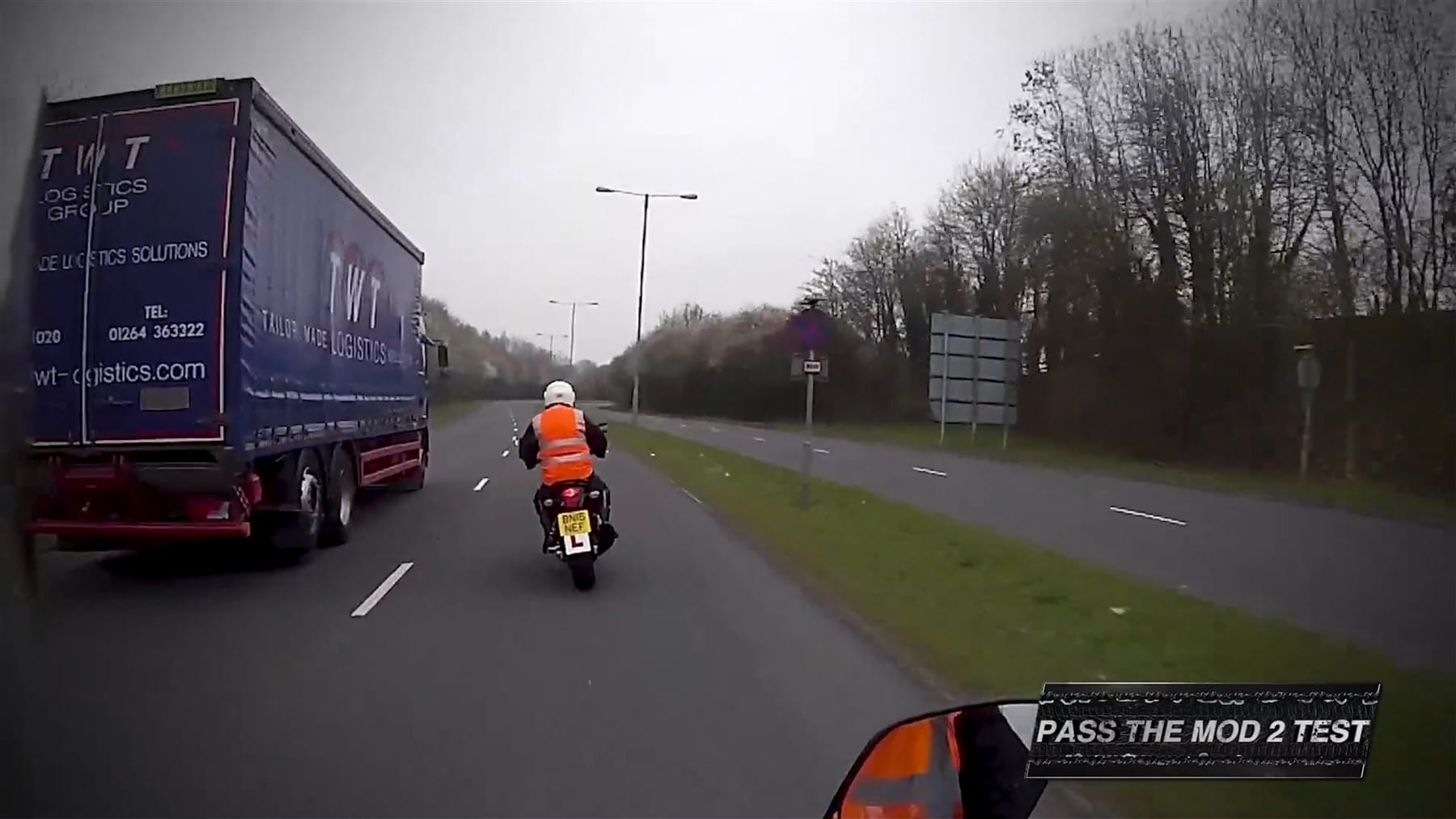
So, you’re thinking about getting behind the wheel of a big rig? That’s awesome! The open road calls to many, and a career in commercial driving can be incredibly rewarding, offering both independence and stability. But let’s be real, piloting a large vehicle comes with huge responsibility – especially when it comes to overtaking other vehicles safely.
Mastering the art of safe overtaking isn't just about getting ahead; it's about protecting yourself and everyone else on the road. It's a skill that will drastically improve your safety record, boost your confidence, and ultimately make you a more respected and successful professional driver. Understanding the specific challenges and techniques involved in passing safely with a large vehicle can make all the difference in preventing accidents and ensuring a smooth, incident-free journey.
Here’s a quick tip to get you started: before eventhinkingabout overtaking, scan far ahead. Are there any intersections, upcoming hills, or curves that might limit your visibility? Making that initial assessment is crucial.
Understanding the Unique Challenges of Overtaking in Large Vehicles
Overtaking in a car is one thing; doing it in a tractor-trailer or other large commercial vehicle is a completely different ballgame. The sheer size and weight of your vehicle significantly affect stopping distances, acceleration, and maneuverability. Plus, blind spots are much larger, making it harder to see vehicles around you. Add to that the challenges of wind turbulence and the potential for “no-zones” where other drivers can’t see you either, and you've got a complex situation that demands careful planning and execution. It’s a crucial skill to learn during your CDL training.
The laws regarding overtaking can also vary by state or province, adding another layer of complexity. For example, some areas have specific speed limits for trucks or restrict overtaking on certain roads or during specific hours. Always check local regulations before hitting the road. Understanding hours-of-service rules is also vital; fatigue can severely impair your judgment and reaction time, making overtaking maneuvers even more dangerous.
What’s the biggest difference between driving a car and a semi-truck?
The difference boils down to size and weight. You have a much larger vehicle, which means everything takes longer – accelerating, braking, turning. Plus, your field of vision is limited, and the consequences of an accident are potentially far more severe.
Pre-Overtaking Checks: Planning is Key
Never rush into an overtaking maneuver. Think of it as a strategic decision that requires careful planning and assessment.
Visibility: Can you see far enough ahead to safely complete the maneuver? Are there any hills, curves, or intersections that might obstruct your view? Space: Is there enough space to overtake safely and return to your lane without cutting anyone off? Consider the length of your vehicle and the speed of oncoming traffic. Traffic: Are there any vehicles approaching from behind that might also be planning to overtake? Pay attention to your mirrors and blind spots. Weather: Adverse weather conditions like rain, snow, or fog can significantly reduce visibility and traction. Avoid overtaking in these conditions unless absolutely necessary. Your Vehicle:Is your vehicle in good working order? Check your mirrors, lights, and tires before you start driving. If you are unsure about your vehicle's mechanical condition, do not attempt to overtake.
Remember, it's always better to be patient and wait for a safe opportunity than to rush into a risky situation. Professional drivers understand that arriving safely is more important than arriving quickly.
The Overtaking Procedure: Step-by-Step Guide
Okay, you’ve done your checks and determined that it's safe to overtake. Now what? Here's a step-by-step guide to help you execute the maneuver safely and efficiently:
1.Signal Your Intent: Activate your left turn signal well in advance to let other drivers know your intentions. This gives them time to react and adjust their speed if necessary.
2.Check Your Mirrors and Blind Spots: Before changing lanes, double-check your mirrors and blind spots to ensure that no vehicles are alongside you. Use the "three-second rule" to maintain a safe following distance.
3.Gradually Change Lanes: Steer smoothly and gradually into the left lane, avoiding any sudden or jerky movements. Keep a close eye on the vehicle you are overtaking.
4.Accelerate Smoothly: Increase your speed gradually to pass the vehicle you are overtaking. Avoid excessive acceleration, which can increase fuel consumption and reduce stability.
5.Maintain a Safe Distance: Once you have passed the vehicle, maintain a safe following distance of at least three seconds. This will give you enough time to react if the other driver makes a sudden move.
6.Signal Your Return: Activate your right turn signal to indicate your intention to return to the right lane.
7.Check Your Mirrors Again: Before changing lanes, check your mirrors again to ensure that you have enough space to return to the right lane without cutting off the vehicle you just overtook.
8.Gradually Change Lanes: Steer smoothly and gradually into the right lane, avoiding any sudden or jerky movements.
9.Cancel Your Signal: Once you are safely back in the right lane, cancel your turn signal.
How do I deal with impatient drivers behind me?
This is a common delivery driver challenge. The best approach is to remain calm and focus on driving safely. Don't let their impatience pressure you into making unsafe decisions. Maintain a safe following distance and obey all traffic laws. If they are excessively aggressive, consider pulling over to let them pass. Report dangerous behavior if you feel threatened.
Specific Considerations for Large Vehicles
While the general overtaking procedure applies to all vehicles, there are some specific considerations for large commercial vehicles: Weight and Momentum: Remember that your vehicle is much heavier and has more momentum than a car. This means that it will take longer to accelerate and brake. Plan your overtaking maneuvers accordingly. Wind Resistance: Large vehicles are more susceptible to wind resistance, especially when overtaking other large vehicles. Be prepared for sudden gusts of wind that can affect your stability. Uphill Overtaking: Overtaking uphill can be particularly challenging for large vehicles, as you may lose power and speed. Avoid overtaking uphill unless absolutely necessary and you have ample space. Downhill Overtaking: Overtaking downhill can also be dangerous, as your vehicle will pick up speed quickly. Use your brakes to maintain a safe speed and avoid losing control.
Fleet safety practices often emphasize defensive driving techniques, which are particularly important when overtaking. Anticipate the actions of other drivers and be prepared to react accordingly. Remember, safety is always the top priority.
Is commercial driving a stable career?
Yes, it generally is! The demand for qualified drivers is consistently high, and many companies offer competitive salaries and benefits. While factors like economic downturns can impact the industry, the need to transport goods will always exist. Focus on building a strong driving record and staying up-to-date with industry trends for long-term career success.
Common Overtaking Mistakes and How to Avoid Them
Even experienced drivers can make mistakes when overtaking. Here are some common errors and how to avoid them: Failing to Check Blind Spots: This is one of the most common causes of accidents. Always check your blind spots thoroughly before changing lanes. Misjudging Speed and Distance: Accurately assess the speed and distance of oncoming vehicles before overtaking. Cutting Off Other Drivers: Ensure that you have enough space to return to your lane without cutting off the vehicle you just overtook. Overtaking in Unsafe Conditions: Avoid overtaking in adverse weather conditions, on hills or curves, or in areas with heavy traffic. Driving While Fatigued: Drowsiness significantly impairs your judgment and reaction time. Get enough rest before driving and take regular breaks. Not Signalling: Always use your turn signals to communicate your intentions to other drivers.
By being aware of these common mistakes and taking steps to avoid them, you can significantly reduce your risk of accidents and improve your overall safety record.
Staying Calm and Focused: Mental Discipline
Overtaking can be stressful, especially in challenging conditions. It's crucial to remain calm and focused throughout the entire process. Here are some tips for maintaining mental discipline: Practice Deep Breathing: If you feel stressed or anxious, take a few deep breaths to calm your nerves. Avoid Distractions: Turn off your cell phone and avoid any other distractions that might take your attention away from the road. Stay Alert: Be aware of your surroundings and anticipate the actions of other drivers. Trust Your Training: Rely on the skills and knowledge you acquired during your CDL training. Don't Be Afraid to Wait:If you are unsure about the safety of an overtaking maneuver, don't be afraid to wait for a better opportunity.
Commercial driving careers demand a high level of responsibility, and maintaining a calm and focused mindset is essential for safe and successful driving. Remember to prioritize safety above all else.
You’ve got this. Mastering safe overtaking in a large vehicle takes practice and patience, but it’s a skill that will serve you well throughout your commercial driving career. By understanding the challenges, following the proper procedures, and staying calm and focused, you can confidently navigate the roads and ensure the safety of yourself and others. Remember to always prioritize safety and never take unnecessary risks. Safe travels!